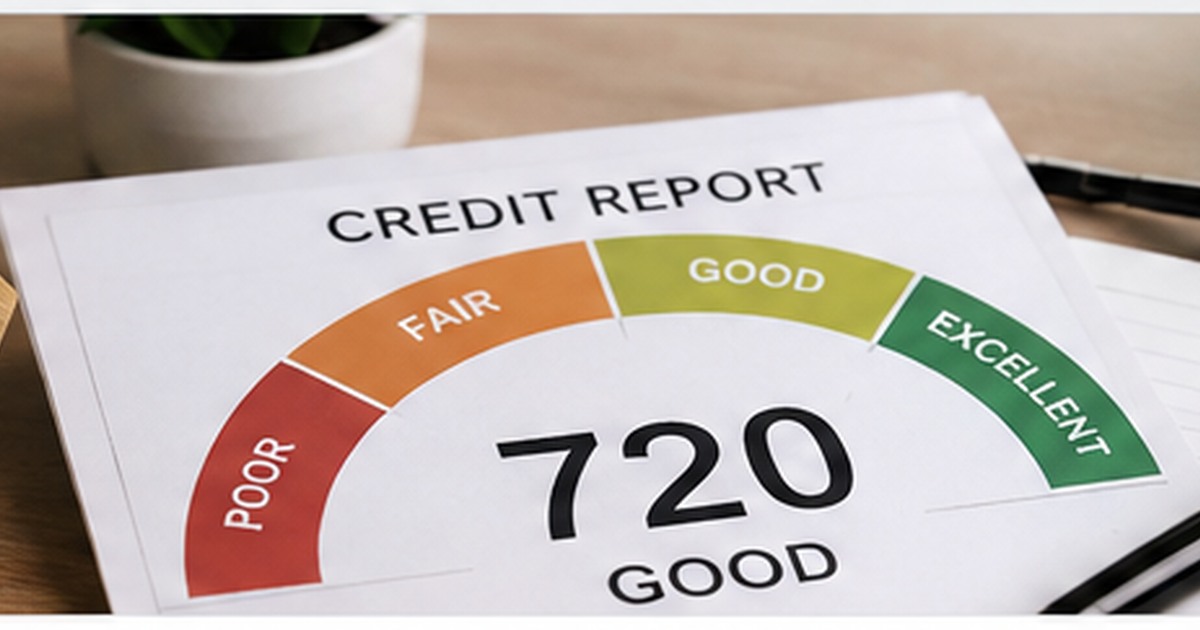
Understanding Your Credit
Credit affects more than whether you can qualify. It can influence interest rate, mortgage insurance, down payment options, lender choice, and which programs are practical for your situation.
For a first-time buyer, the most useful approach is to connect this topic to the rest of the transaction. Your credit, income, debts, available funds, property, state, loan program, and timing all interact. A decision that looks good in isolation can create a problem somewhere else, which is why the process works best when the mortgage advisor, real-estate professional, and buyer are working from the same information.
Start by defining what a successful outcome looks like for you. That may mean keeping the monthly payment below a certain amount, preserving emergency savings, buying before a lease expires, using a veteran benefit, reducing the upfront cash requirement, or simply learning what needs to improve before you are ready. The goal is not to chase the largest approval. It is to build a purchase that still feels comfortable after closing.
Use this section as an educational roadmap, then verify the details for your transaction. Mortgage guidelines, assistance programs, taxes, insurance costs, appraisal requirements, and lender policies can change. A licensed mortgage professional can help translate general information into the numbers and rules that apply to your file.
One of the most common first-time buyer mistakes is waiting until a deadline to ask questions. If something in this section is unclear, raise it early. Most homebuying problems are easier to solve when there is time to compare options, gather documents, change strategy, or adjust the purchase price before the contract or closing date creates pressure.
Finally, keep the decision connected to your long-term financial life. Homeownership should leave room for savings, maintenance, transportation, family expenses, retirement goals, and ordinary surprises. A home can be an important financial asset, but it should first be a sustainable place to live.
Do not make major credit moves blindly. Paying off or closing the wrong account at the wrong time can affect your mortgage profile differently than expected.
Checklist
Use this checklist before moving to the next stage of your homebuying plan:
- Payment history
- Credit-card utilization
- Collections and charge-offs
- Recent inquiries and new accounts
- Accuracy of your credit reports
Credit Utilization Calculator
Credit utilization is the percentage of your available revolving credit that you are currently using.
This is an educational estimate only. Credit scoring models consider many factors, and no specific utilization percentage guarantees a particular credit score or mortgage outcome.
Related Reading
Ready to put this into your numbers?
Complete the preliminary pre-qualification questionnaire or talk with a licensed mortgage advisor about your homebuying goals.
Educational information only. This guide is not a mortgage approval, commitment to lend, legal advice, tax advice, or a guarantee of financing. Loan programs, rates, underwriting standards, assistance programs, property requirements, and costs can change and vary by borrower, lender, location, and transaction.